Commercial Waste Removal in Canary Wharf

Commercial waste removal in Canary Wharf should be straightforward, organised and suited to the way businesses actually work. Our service covers the collection and removal of everyday business waste, office clearances and related disposal tasks for premises that need clutter cleared with minimal disruption. We handle mixed commercial loads with a practical approach, separating items that can be reused, recycled or sent for disposal in line with the waste type and the access available.
Many workplaces need more than a one-off clearance. Desks, packaging, fixtures, archive material and broken office items can build up quickly, especially where teams are moving floor space around or preparing for a handover. We can help with planned clearances and routine removal work, keeping the process clear from the outset. If you need commercial waste removal arranged for a business address in Canary Wharf, start by telling us what needs taking away and what access we should expect.
For a quotation, it helps to outline the main waste categories, the approximate volume and whether the items are loose, bagged or still assembled. That simple information is usually enough to judge the likely approach. If you already know the items are office-based, furniture-based or mixed commercial waste, mention that too. You can also use the pages below to learn more about the kinds of waste and clearances we cover.
Office waste and workplace clearances
Office waste removal is often about removing several different streams at once rather than shifting a single item. Paper records, cardboard, shelving, monitor stands, broken chairs and surplus stationery can all be part of the same job. We provide office clearance support for businesses that need workspaces, storage areas or unused rooms cleared so the area can be reused properly. Where items are suitable for reuse or recycling, those routes are considered before disposal.
For office jobs, the practical details matter. Access routes, lift use, loading restrictions and the type of flooring all affect how the work is planned. If a space contains confidential material or mixed paperwork, that should be identified early so the disposal method can be matched to the waste type. If you need a more focused service, our office clearance page explains the sort of work covered, while the business waste removal page gives a broader view of commercial collections for workplaces and trading premises.
- Removal of office furniture and loose workplace items
- Clearance of mixed business waste from workrooms or stores
- Collections planned around access, loading and site rules
- Sorting for reuse, recycling or disposal where appropriate
Furniture disposal and bulky item removal
Commercial premises often need help with bulky items that are awkward to move internally or too large for ordinary waste handling. That can include desks, chairs, reception units, cabinets, shelving and other fitted or freestanding office furniture. Our furniture disposal service is intended for items that no longer suit the layout or condition of the property. Where possible, we look at whether items can be diverted from disposal through reuse or recycling, depending on their condition and material.
When furniture is part of a wider clearance, it can be removed together with mixed office waste so the job is handled in one visit rather than split into separate stages. This is especially useful where access is time-limited or the floor plan is being changed quickly. If you are comparing related services, see our furniture disposal page for item-based removals and the furniture clearance page for fuller clear-out work involving several pieces or a larger set of rooms.
Good planning helps keep bulky removals efficient. If items are still assembled, let us know; if they are already broken down, that changes the handling and loading plan. A short description of each main item, together with the floor level and any access limits, is usually enough to begin preparing a quotation. Tell us what needs clearing and we can take it from there.
Recycling, sorting and responsible disposal
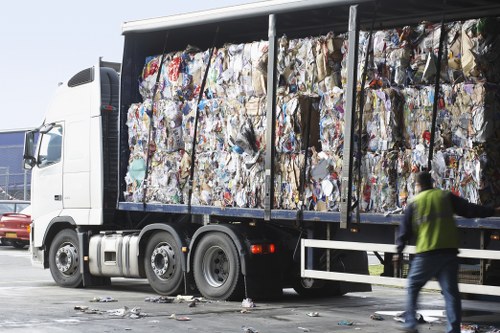
Commercial waste is rarely one single material, so sorting is a key part of the service. Cardboard, paper, metals, plastics, wood and mixed residue may all need different treatment, and separating them early makes the disposal path easier to manage. Our work is designed to support sensible recycling where the waste stream allows it, while keeping unsuitable material out of routes that are intended for recoverable items.
The way waste is presented can affect the process. Bagged waste, loose waste, stacked boxes and dismantled fixtures all need slightly different handling. If your business stores waste in a back room, basement, loading area or plant room, the collection plan should reflect that layout. You can review our recycling and sustainability page to understand the practical side of sorting, and our what can go in a skip page may also help if you are comparing disposal options and want to understand which materials need special consideration.
Where waste includes items that cannot be mixed with ordinary commercial loads, those must be identified before collection. That includes certain appliances, damaged items with residual contents and material that needs a specialist route. The more accurately the waste is described, the easier it is to match the collection to the correct disposal method and avoid avoidable delays.
Business waste removal for ongoing needs

Some businesses need one-off assistance, while others need repeated commercial waste removal to keep storage areas, back-of-house spaces and work zones under control. A recurring or regular pattern can be useful where packaging, maintenance material or general business waste builds up in predictable ways. Our business waste removal service supports those practical needs, with collections shaped around the type of premises and the waste that comes from day-to-day operations.
The right collection plan depends on what is being produced and how it is stored. For example, a business that generates mostly cardboard and office paper has different needs from one that clears mixed fixtures or equipment. If confidential or sensitive papers are involved, our confidential shredding page is relevant, as it covers a more specific disposal need than general waste removal. For a broader explanation of the main commercial service, the waste removal page offers another route into the overall service range.
Most quotations are clearer when the requester includes the type of premises, the approximate volume, the collection frequency if relevant and any special handling requirements. If you are unsure how to describe the waste, a simple list of the main item groups is enough. We can then work out whether the job is best treated as a general collection, a targeted business waste removal or a wider clearance.
How we handle office and commercial clearances
The process behind a clearance matters as much as the final result. A well-planned commercial waste removal job should respect building rules, protect shared areas and keep the route from the premises to the vehicle as smooth as possible. That is why access details are useful: they tell us whether the work is likely to involve stairs, lifts, narrow corridors, reception controls or loading restrictions. A straightforward plan makes the removal easier to organise and less disruptive for everyone else in the building.
In many cases, the customer wants a space returned to usable condition quickly after the waste is removed. That may mean clearing storage cupboards, removing redundant furniture or taking away mixed office material before contractors, staff or incoming occupiers use the space. If you are arranging the work from another part of the building or on behalf of a manager, keep the description practical: what has to go, where it is located and whether anything should stay in place. For larger clearances, our home clearance and house clearance pages are not commercial services, but they do show the kind of detailed item-based planning that can also be useful when estimating a mixed clearance job.
When a quotation is being prepared, it is better to describe the job accurately than to simplify it too much. Mixed waste, heavy items and awkward access can change the amount of handling involved. If you can note the main item types and the state they are in, that gives a stronger basis for pricing and planning than a vague description of “general rubbishâ€.
Bulky waste, appliances and awkward items
Commercial properties sometimes need more than standard waste collection. Old appliances, damaged equipment, awkward fixtures and heavier furniture can all require a careful removal plan because they are difficult to shift safely within a workplace. Our service can include bulky items where the waste stream and access are appropriate, with handling that reflects the size, weight and condition of the objects involved.
Where appliances are part of a clearance, the exact item type should be stated because different objects may need different preparation before removal. For instance, a small office appliance is not the same as larger refrigeration or kitchen equipment, and the disposal route should match the item. If your business is reviewing possible appliance-related options, the fridge and appliance removal page is useful for understanding that area, while mattress and sofa disposal shows how item-specific removal pages can sit alongside broader clearance services.
Some jobs involve one large item; others involve several medium items that become bulky once collected together. Either way, it helps to be specific about stair carry, dismantling and any restrictions on parking or loading. That information supports safer handling and avoids surprises on the day the work is carried out.
About Canary Wharf
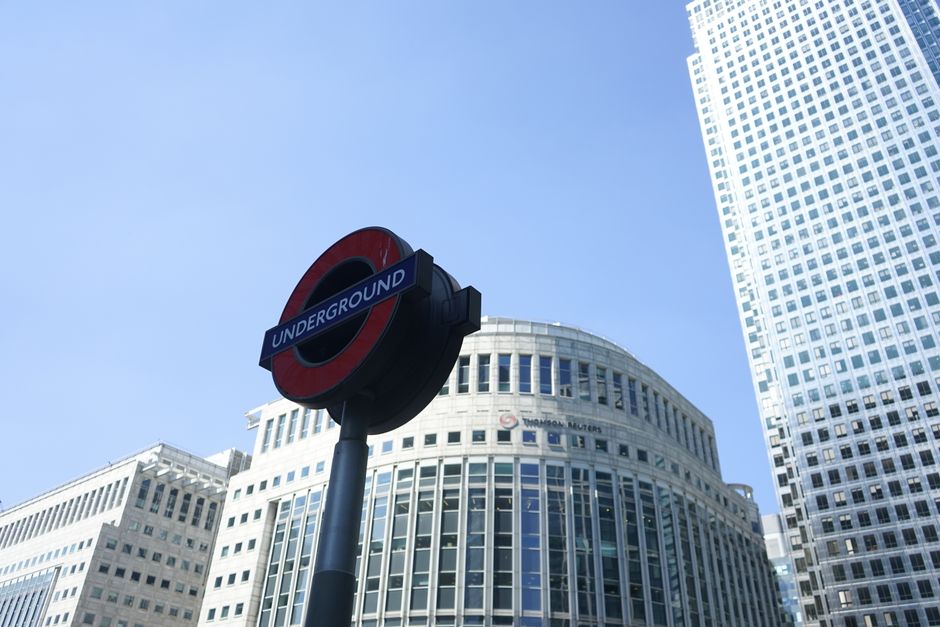
Canary Wharf is a major district on the Isle of Dogs in east London, closely associated with the modern redevelopment of former docklands into a dense business quarter. Its skyline is dominated by tall office towers, glazed facades and the transport infrastructure that supports a large daily working population. The area grew rapidly from the late 20th century onward, with former docklands land being transformed into commercial property, public spaces and retail streets that give the district a strong urban character. The layout is defined by a network of pedestrian routes, plazas, waterside walkways and transport links rather than by traditional high street development. The Jubilee line, Docklands Light Railway and Elizabeth line all contribute to its role as a connected business centre, while Canary Wharf Pier links the area to river transport. Open spaces such as Jubilee Park and waterside edges provide relief from the towers, and the district also includes shopping arcades, cafés and event spaces that support a busy weekday rhythm. Although best known for finance and large employers, the wider locality also includes residential buildings and a growing mix of leisure and cultural activity. The combination of high-rise architecture, dockland heritage and planned public realm makes Canary Wharf a distinctive part of London, with a built environment that reflects both its industrial past and its present role as a commercial centre.
Quotation factors and service choices

Commercial waste removal is usually priced around the work involved rather than the label on the service. The main factors are the amount of waste, the type of items, how easy they are to access and whether the load contains materials that need separate handling. A light office clear-out will usually differ from a heavy furniture removal or a mixed waste collection with awkward access. Knowing which of those applies helps shape a fair and practical quotation.
If you are deciding between service types, look at what is actually present in the premises. A few leftover chairs and some cardboard may fit a straightforward collection, while a whole suite of desks, shelving and storage units may be better described as an office clearance or furniture clearance. The pricing and quotes page is useful if you want to see how quotation requests can be framed, and the book online page may be relevant where the job details are already clear and ready to submit.
To keep the quote process efficient, it helps to share three things: what is being removed, how much of it there is and whether access involves stairs, lifts or loading restrictions. That simple structure gives enough detail for most commercial jobs without overcomplicating the request. Clear information usually means a clearer response.
Preparing a commercial enquiry
Before sending a request, it helps to walk through the space and group the waste into obvious categories. Mixed office waste, furniture, archives, broken equipment and packaging are easier to assess when they are described separately. If the premises include more than one room or floor, note where the waste is located so the removal can be planned around the actual layout. That approach makes it easier to compare different options and choose the most suitable one for the site.
There are also a few practical details worth mentioning once, especially if the job is not a simple room clearance. Tell us whether there are any narrow access points, whether parking or loading is restricted and whether any items need to remain in place. If you are arranging the work for a managed building, a branch office or a shared workplace, it is useful to say who will be available on site and when. These details are normally enough to support a useful quotation without needing a long explanation.
When you are ready, ask for a quotation based on the waste type and the access available. If you need to compare service categories first, the best place to begin is with the pages on office, furniture and business waste removal. For a direct commercial enquiry, please use the contact route available on the website and tell us what needs clearing.
More ways to support the right disposal route

Some commercial clearances involve items that benefit from a more specific disposal route than a general mixed-waste collection. Harder materials, confidential paper, bulky furniture and appliances all have different handling needs, and it is worth matching the service page to the item type rather than treating everything as the same job. That is why the website includes pages for furniture, appliances, shredding and sustainability alongside the core waste removal service.
If your premises hold equipment that is no longer required, or if you are reducing the amount of stored material before a move or refurbishment, it can help to separate what is to be kept from what is to go. A short inventory, even if informal, makes the decision clearer and lets us focus on the actual removal work. You may also find the about us page useful if you want a general introduction to the business, while the contact us page is the appropriate place to begin a quotation request.
For a prompt response, send the key details in one message: what is being removed, where it is located and whether the job involves office furniture, general commercial waste or a mixed clearance. If you are ready to move ahead, request a quotation today.