Business Waste Removal in Canary Wharf
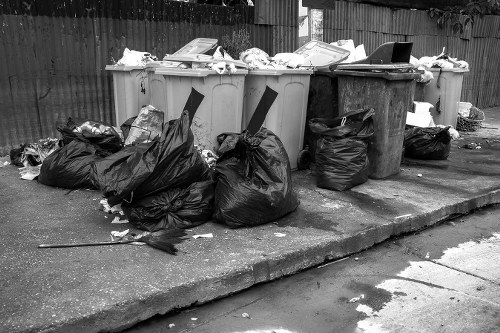
A row of four large wheelie bins placed on a paved area adjacent to a wooden fence, with the first bin appearing light grey and the others darker grey, situated outdoors likely in a commercial or residential setting near Canary Wharf. The bins are filled with various types of waste, with some lids open and trash overflowing, including crumpled papers and discarded packaging visible on the top. Surrounding the bins are several tightly bundled black plastic refuse bags, some stacked against the bins and others leaning on the pavement. The surface beneath the bins and bags is a concrete or asphalt slab, showing slight wear and staining. The environment suggests a typical waste collection point for a business or apartment complex, with an overcast or evenly lit atmosphere, emphasizing the cleanup and rubbish removal context that Commercial Waste Removal Canary Wharf provides in the local area.

Canary Wharf stands as one of London's premier financial districts, bustling with businesses that thrive in its modern skyscrapers and vibrant atmosphere. With such high concentrations of commercial activity, effective business waste removal is essential to maintain a clean and efficient working environment.

Proper waste management not only ensures compliance with local regulations but also promotes sustainability and enhances the overall reputation of a business. In this article, we'll explore the various aspects of business waste removal in Canary Wharf, offering insights and solutions tailored to the unique needs of this dynamic area.

From recycling programs to specialized disposal services, understanding the options available can help businesses reduce their environmental footprint while maintaining operational efficiency.

Understanding Business Waste in Canary Wharf
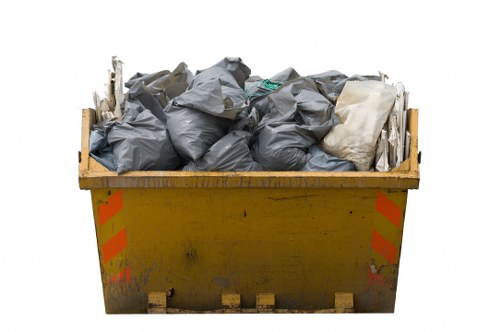
A large yellow industrial skip filled with tightly packed black and white rubbish bags, placed on a paved surface that appears to be part of a driveway or loading area. The skip's metal surface shows minor signs of use, with some dirt and smudges, and red reflective stripes along the sides for safety visibility. The bags contain various types of waste and are stacked to the rim, some slightly bulging as if filled with mixed waste materials. Background details are not visible, emphasizing the focus on the skip and its contents, which are likely part of a rubbish removal service in the Canary Wharf area. The overall scene suggests an active waste collection or disposal process managed by Commercial Waste Removal Canary Wharf, supporting local commercial rubbish removal needs within the London postcode vicinity.

Business waste in Canary Wharf encompasses a wide range of materials generated by offices, retail establishments, and other commercial entities. Common types include paper, cardboard, electronic waste, food scraps, and hazardous materials.

Each category of waste requires specific handling and disposal methods to ensure environmental compliance and worker safety. For instance, electronic waste (e-waste) contains valuable materials that can be recycled but also harmful substances that must be disposed of carefully.

Effective waste management strategies involve not only the removal of these materials but also reducing their overall generation through sustainable practices.

Benefits of Professional Waste Removal Services

A young woman with long, dark brown hair and a bright smile is standing indoors against a plain light-colored wall. She is wearing a sleeveless green top and holding a clear plastic water bottle filled with water in her right hand. Beside her, there is a blue recycling bin with the word 'RECYCL' partially visible on its side, filled with similar plastic bottles. The scene appears to depict waste separation or recycling activity, relevant to rubbish removal and waste management services offered by Commercial Waste Removal Canary Wharf, with the setting possibly in or near a residential or commercial area in London, within proximity of Canary Wharf. Natural lighting highlights the textures of the plastic bottles and the smooth surface of the recycling bin, conveying a clean and responsible approach to waste disposal.

Engaging professional waste removal services in Canary Wharf offers numerous advantages for businesses. Efficiency is a primary benefit, as these companies are equipped to handle large volumes of waste promptly, minimizing disruptions to daily operations.

Additionally, professional services ensure that waste is sorted and processed correctly, enhancing recycling rates and reducing landfill contributions. This not only supports environmental goals but can also result in cost savings through reduced disposal fees.

Moreover, outsourcing waste removal allows businesses to focus on their core activities, delegating the complexities of waste management to experts who stay updated with the latest regulations and best practices.

Types of Waste Removal Services
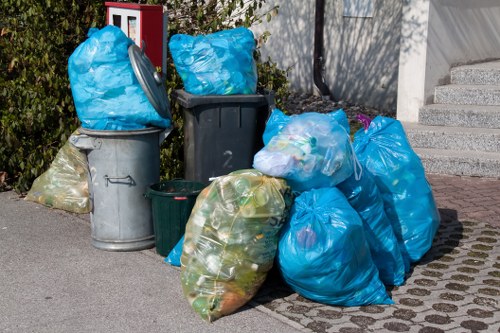
A collection of rubbish bags and waste containers situated on an outdoor paved area near a building, with some blue plastic bags filled with household waste, including plastic bottles and packaging, piled on top of and around various bins. The bins include a grey wheelie bin, a dark grey bin, and a small green bin, with some bags leaning against or resting on the bins. In the background, there are stairs leading up a building, with a small garden area visible, containing some bushes and plants. The scene appears to be a typical outdoor waste disposal spot, possibly in an urban or suburban environment in Canary Wharf, with natural daylight illuminating the area. The image reflects a typical waste collection setup that a waste removal service like Commercial Waste Removal Canary Wharf might handle, emphasizing the need for professional rubbish collection services in the area.

There are various business waste removal services available in Canary Wharf, each catering to different needs:

  • General Waste Collection: Regular pickup of non-hazardous waste such as office paper, packaging materials, and general refuse.
  • Recycling Services: Specialized collection and processing of recyclable materials like paper, plastics, metals, and e-waste.
  • Hazardous Waste Disposal: Safe removal and disposal of dangerous substances including chemicals, batteries, and electronic equipment.
  • Construction Waste Removal: Handling debris from office renovations or building projects, ensuring proper disposal of materials like concrete, wood, and metals.
  • Food Waste Management: Efficient processing of organic waste from cafeterias and restaurants, supporting composting and other sustainable practices.

Choosing the right combination of services depends on the specific waste streams your business generates.

Implementing Sustainable Waste Practices
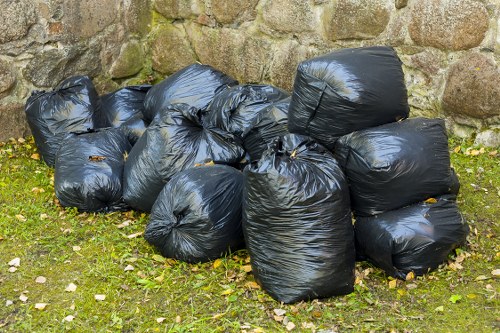
A collection of several black plastic rubbish bags, tightly knotted at the tops, are stacked and scattered on a grassy area adjacent to a stone wall. The bags are glossy and appear to be filled with waste, with some bags leaning against each other and others lying flat on the ground. The grassy surface shows remnants of fallen leaves and small pebbles, suggesting an outdoor setting near a residential or commercial property in Canary Wharf. The stone wall in the background is constructed from irregularly shaped rocks, providing a natural textured backdrop. The lighting is natural, with soft shadows indicating the photo was taken during daylight hours. This scene reflects typical waste removal tasks carried out by companies like Commercial Waste Removal Canary Wharf, focusing on outdoor rubbish collection and disposal services for local businesses or properties within the London Docklands area.

Adopting sustainable waste management practices is increasingly important for businesses in Canary Wharf. Reducing, reusing, and recycling are foundational principles that can significantly decrease the environmental impact of your operations.

Start by conducting a waste audit to identify the most common types of waste your business produces. This will help in developing targeted strategies to minimize waste generation. For example, transitioning to digital documentation can reduce paper usage, while investing in durable office supplies can decrease the need for frequent replacements.

Additionally, collaborating with waste removal services that prioritize recycling and offer comprehensive sorting options can enhance your sustainability efforts.

Compliance with Local Regulations

A large yellow industrial skip filled with tightly packed black and white rubbish bags, placed on a paved surface that appears to be part of a driveway or loading area. The skip's metal surface shows minor signs of use, with some dirt and smudges, and red reflective stripes along the sides for safety visibility. The bags contain various types of waste and are stacked to the rim, some slightly bulging as if filled with mixed waste materials. Background details are not visible, emphasizing the focus on the skip and its contents, which are likely part of a rubbish removal service in the Canary Wharf area. The overall scene suggests an active waste collection or disposal process managed by Commercial Waste Removal Canary Wharf, supporting local commercial rubbish removal needs within the London postcode vicinity.

Businesses in Canary Wharf must adhere to stringent waste disposal regulations set by local authorities. Non-compliance can result in hefty fines and damage to a company's reputation.

Professional waste removal services are well-versed in these regulations and ensure that all waste is handled in accordance with legal requirements. This includes proper documentation, timely disposal, and adherence to environmental standards.

Staying compliant not only avoids penalties but also demonstrates a company's commitment to responsible business practices.

Choosing the Right Waste Removal Partner

A row of four large wheelie bins placed on a paved area adjacent to a wooden fence, with the first bin appearing light grey and the others darker grey, situated outdoors likely in a commercial or residential setting near Canary Wharf. The bins are filled with various types of waste, with some lids open and trash overflowing, including crumpled papers and discarded packaging visible on the top. Surrounding the bins are several tightly bundled black plastic refuse bags, some stacked against the bins and others leaning on the pavement. The surface beneath the bins and bags is a concrete or asphalt slab, showing slight wear and staining. The environment suggests a typical waste collection point for a business or apartment complex, with an overcast or evenly lit atmosphere, emphasizing the cleanup and rubbish removal context that Commercial Waste Removal Canary Wharf provides in the local area.

Selecting a reliable waste removal partner is crucial for effective management. Consider the following factors when making your choice:

  1. Experience and Reputation: Look for companies with a proven track record in business waste removal, particularly in the Canary Wharf area.
  2. Comprehensive Services: Ensure they offer the specific services your business requires, from general waste collection to specialized disposal.
  3. Environmental Commitment: Choose partners that prioritize sustainability and offer robust recycling programs.
  4. Compliance Knowledge: They should be well-informed about local regulations and ensure all waste is handled legally.
  5. Customer Support: Reliable customer service is essential for addressing any issues promptly and efficiently.

By carefully evaluating potential partners, you can establish a waste management system that supports your business needs and sustainability goals.

Cost-Effective Waste Management Solutions

A young woman with long, dark brown hair and a bright smile is standing indoors against a plain light-colored wall. She is wearing a sleeveless green top and holding a clear plastic water bottle filled with water in her right hand. Beside her, there is a blue recycling bin with the word 'RECYCL' partially visible on its side, filled with similar plastic bottles. The scene appears to depict waste separation or recycling activity, relevant to rubbish removal and waste management services offered by Commercial Waste Removal Canary Wharf, with the setting possibly in or near a residential or commercial area in London, within proximity of Canary Wharf. Natural lighting highlights the textures of the plastic bottles and the smooth surface of the recycling bin, conveying a clean and responsible approach to waste disposal.

Effective business waste removal doesn't have to break the bank. Many professional services offer scalable solutions tailored to the size and needs of your business.

Implementing practices such as waste segregation at the source can optimize the recycling process, potentially reducing disposal costs. Additionally, some services provide fixed-rate packages that offer predictability in budgeting.

Investing in sustainable waste management can also lead to long-term savings by lowering waste generation and improving resource efficiency.

Technology in Waste Management

A collection of rubbish bags and waste containers situated on an outdoor paved area near a building, with some blue plastic bags filled with household waste, including plastic bottles and packaging, piled on top of and around various bins. The bins include a grey wheelie bin, a dark grey bin, and a small green bin, with some bags leaning against or resting on the bins. In the background, there are stairs leading up a building, with a small garden area visible, containing some bushes and plants. The scene appears to be a typical outdoor waste disposal spot, possibly in an urban or suburban environment in Canary Wharf, with natural daylight illuminating the area. The image reflects a typical waste collection setup that a waste removal service like Commercial Waste Removal Canary Wharf might handle, emphasizing the need for professional rubbish collection services in the area.

Advancements in technology have transformed waste management practices. Smart bins and real-time tracking systems allow businesses to monitor their waste output more effectively.

These technologies enable precise data collection, helping identify waste patterns and opportunities for reduction. Additionally, many waste removal companies now use automated systems to streamline the collection and sorting processes.

Embracing technology can enhance the efficiency and effectiveness of your waste management strategy, leading to better environmental and economic outcomes.

Employee Engagement in Waste Reduction

A collection of several black plastic rubbish bags, tightly knotted at the tops, are stacked and scattered on a grassy area adjacent to a stone wall. The bags are glossy and appear to be filled with waste, with some bags leaning against each other and others lying flat on the ground. The grassy surface shows remnants of fallen leaves and small pebbles, suggesting an outdoor setting near a residential or commercial property in Canary Wharf. The stone wall in the background is constructed from irregularly shaped rocks, providing a natural textured backdrop. The lighting is natural, with soft shadows indicating the photo was taken during daylight hours. This scene reflects typical waste removal tasks carried out by companies like Commercial Waste Removal Canary Wharf, focusing on outdoor rubbish collection and disposal services for local businesses or properties within the London Docklands area.

Engaging employees in waste reduction initiatives is vital for the success of your waste management efforts. Creating awareness and providing training on proper waste segregation can significantly enhance recycling rates.

Encourage employees to take ownership of their waste practices by implementing incentive programs and regularly communicating the importance of sustainability.

A collaborative approach ensures that waste reduction becomes an integral part of your company's culture, driving continuous improvement and long-term success.

Case Studies: Successful Waste Management in Canary Wharf

A large yellow industrial skip filled with tightly packed black and white rubbish bags, placed on a paved surface that appears to be part of a driveway or loading area. The skip's metal surface shows minor signs of use, with some dirt and smudges, and red reflective stripes along the sides for safety visibility. The bags contain various types of waste and are stacked to the rim, some slightly bulging as if filled with mixed waste materials. Background details are not visible, emphasizing the focus on the skip and its contents, which are likely part of a rubbish removal service in the Canary Wharf area. The overall scene suggests an active waste collection or disposal process managed by Commercial Waste Removal Canary Wharf, supporting local commercial rubbish removal needs within the London postcode vicinity.

Numerous businesses in Canary Wharf have successfully implemented effective waste removal strategies. For example, a leading financial firm reduced its paper waste by 40% by transitioning to digital documentation and engaging in comprehensive recycling programs.

Similarly, a retail company partnered with a specialized waste removal service to handle their e-waste, ensuring safe disposal and recovery of valuable materials. These case studies demonstrate the tangible benefits of investing in professional waste management solutions.

Such success stories highlight the positive impact that strategic waste removal can have on both environmental sustainability and business efficiency.

Future Trends in Business Waste Removal

A row of four large wheelie bins placed on a paved area adjacent to a wooden fence, with the first bin appearing light grey and the others darker grey, situated outdoors likely in a commercial or residential setting near Canary Wharf. The bins are filled with various types of waste, with some lids open and trash overflowing, including crumpled papers and discarded packaging visible on the top. Surrounding the bins are several tightly bundled black plastic refuse bags, some stacked against the bins and others leaning on the pavement. The surface beneath the bins and bags is a concrete or asphalt slab, showing slight wear and staining. The environment suggests a typical waste collection point for a business or apartment complex, with an overcast or evenly lit atmosphere, emphasizing the cleanup and rubbish removal context that Commercial Waste Removal Canary Wharf provides in the local area.

The landscape of business waste removal is continually evolving, driven by technological advancements and increasing environmental awareness. Future trends include the integration of artificial intelligence in waste sorting, enhancing the accuracy and efficiency of recycling processes.

Additionally, the rise of the circular economy emphasizes the importance of designing products for longevity and recyclability, further reducing waste generation.

Businesses in Canary Wharf that stay ahead of these trends will not only comply with future regulations but also position themselves as leaders in sustainability.

Conclusion

A young woman with long, dark brown hair and a bright smile is standing indoors against a plain light-colored wall. She is wearing a sleeveless green top and holding a clear plastic water bottle filled with water in her right hand. Beside her, there is a blue recycling bin with the word 'RECYCL' partially visible on its side, filled with similar plastic bottles. The scene appears to depict waste separation or recycling activity, relevant to rubbish removal and waste management services offered by Commercial Waste Removal Canary Wharf, with the setting possibly in or near a residential or commercial area in London, within proximity of Canary Wharf. Natural lighting highlights the textures of the plastic bottles and the smooth surface of the recycling bin, conveying a clean and responsible approach to waste disposal.

Effective business waste removal in Canary Wharf is a critical component of responsible and sustainable business operations. By partnering with professional waste management services, businesses can ensure compliance, reduce environmental impact, and enhance operational efficiency.

Implementing sustainable practices, leveraging technology, and engaging employees are key strategies for successful waste management. As the business landscape continues to evolve, staying informed about future trends will help maintain a competitive edge.

Ready to optimize your business waste removal? Contact us today to tailor a waste management solution that fits your needs and supports your sustainability goals.

Commercial Waste Removal Canary Wharf

Explore comprehensive business waste removal solutions in Canary Wharf, emphasizing sustainability, efficiency, and compliance with local regulations. Learn how professional services can enhance your business operations.

Book Your Waste Removal

Get In Touch With Us.

Please fill out the form below to send us an email and we will get back to you as soon as possible.