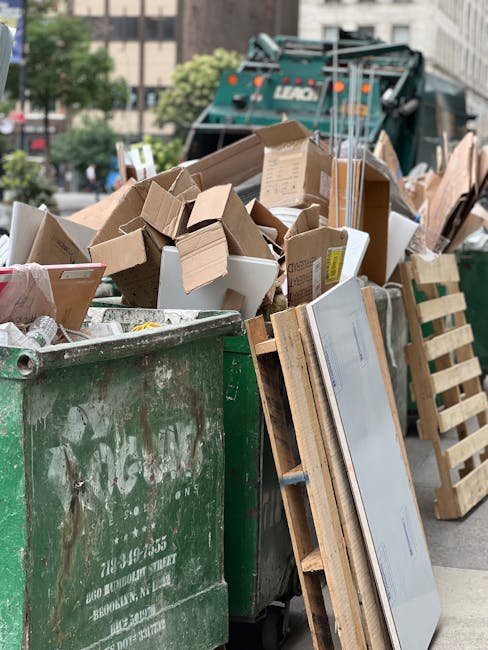
West India Quay Bulky Rubbish Pickup Services: A Practical Guide for Homes and Businesses
If you are dealing with an old sofa, a broken fridge, builder's offcuts, or a pile of awkward items that will not fit in a normal bin, West India Quay bulky rubbish pickup services can save you a lot of time and hassle. The real value is not just removal. It is getting large waste out of the way safely, legally, and without turning your day into a small chaos festival.
In a busy part of London like West India Quay, bulky rubbish has a habit of becoming urgent fast. Flats have tight hallways, loading space is limited, and business premises often cannot afford clutter hanging around for long. This guide explains how bulky rubbish pickup works, who it helps, what to watch out for, and how to choose the right approach for your situation.
- Why bulky rubbish pickup matters
- How the pickup process works
- Key benefits and practical advantages
- Who needs this service and when it makes sense
- Step-by-step guidance
- Expert tips for better results
- Common mistakes to avoid
- Tools, resources and recommendations
- Law, compliance and best practice
- Options and comparison table
- Real-world example
- Practical checklist
- Conclusion
- Frequently asked questions
Why West India Quay bulky rubbish pickup services Matters
Bulky waste is different from everyday rubbish. It is larger, heavier, harder to move, and often more awkward to dispose of properly. A mattress leaning against a wall, a damaged desk in a hallway, or a stack of tired furniture in a storage room can quickly become more than just an eyesore. It can block access, create trip hazards, and make a property feel neglected.
At West India Quay, those issues are often amplified by the local environment. Many properties have shared entrances, lift access rules, concierge arrangements, and limited roadside stopping time. So a bulky item that looks simple on paper may take more planning in practice. That is exactly why a planned pickup service is useful. It turns a stressful job into a managed one.
There is also a practical cost to leaving bulky rubbish in place. It gets in the way of refurbishments, end-of-tenancy checks, office moves, and property sales. If you are trying to clear a flat, reorganise a workspace, or prepare a room for new furniture, the bulky items are usually the first thing that must go. Not later. First.
And truth be told, people often underestimate the effort involved. Two chairs and a wardrobe can sound manageable until you are halfway down a narrow stairwell with no good grip and a neighbour asking whether the lift is free. Not ideal.
Expert summary: The best bulky rubbish pickup is not just about lifting items away. It is about timing, access, sorting, and responsible disposal, especially in a busy dockside area where convenience and compliance both matter.
How West India Quay bulky rubbish pickup services Works
Most bulky rubbish pickup services follow a simple pattern, although the details can vary depending on the property type and the items involved. The aim is to make collection efficient while avoiding damage to walls, floors, lifts, and communal areas.
Typical service flow
- You describe the items. This may include furniture, appliances, broken fittings, mixed household waste, or light construction debris.
- The provider assesses access. Things like stairs, parking, lift size, and whether items are inside or outside all affect the job.
- You receive pricing guidance. Some jobs are charged by volume, load size, item type, or time on site. A clear quote is better than a vague one.
- A pickup is scheduled. Same-day or next-day service is often available for urgent clearances, depending on demand.
- The team removes the items. Good crews protect floors, avoid dragging items across common areas, and keep disruption low.
- Waste is sorted for reuse, recycling, or disposal. This is where responsible handling matters most.
For many customers, the real question is not "Can it be taken away?" but "How much friction will this cause?" A good service reduces friction. That means fewer delays, fewer surprises, and fewer excuses from everyone involved.
If you are planning a wider clearance, it may also help to look at related services such as furniture clearance, house clearance, or broader waste removal options. They are useful when bulky rubbish is only one part of the job.
Key Benefits and Practical Advantages
There are a few obvious benefits to bulky rubbish pickup, but the less obvious ones are often the most valuable.
- Time saved: No hiring a van, lifting heavy items yourself, or making multiple trips.
- Safer handling: Large items can be awkward and risky, especially on stairs or in tight corridors.
- Less disruption: A professional pickup is usually quicker and cleaner than trying to improvise.
- Better compliance: Responsible disposal helps reduce the risk of fly-tipping or incorrect handling.
- More space, immediately: That free floor area changes how a flat, office, or storage room feels.
- Flexibility: Services can often handle mixed bulky waste rather than one item type only.
There is also a quieter benefit: peace of mind. It sounds a bit soft, maybe, but when a large item is finally gone, the whole room feels different. Cleaner. Calmer. Less "I'll deal with it next week" and more "right, that is sorted."
For offices, that can mean a tidier workspace and less clutter around workstations. For landlords, it means a faster turnaround. For homeowners, it often means less stress during a move or renovation. And if the rubbish includes larger mixed loads, a service that understands builders waste clearance can be especially useful after decorating or light refurbishment.
Who This Is For and When It Makes Sense
Bulky rubbish pickup is not just for one kind of customer. In West India Quay, it is useful for a wide mix of people and property types.
Common users of the service
- Flat owners and tenants: Old wardrobes, mattresses, sofas, and appliances are common reasons to call.
- Landlords and letting agents: End-of-tenancy clearances often involve a surprise or two. Usually not the fun kind.
- Offices and commercial units: Desks, chairs, filing cabinets, and appliance swaps can create bulky waste quickly.
- Property managers: Shared areas and tight schedules make a coordinated pickup very handy.
- Homeowners: Garage clutter, loft contents, or oversized furniture often pile up over time.
- Renovation projects: Broken fittings, packaging, and offcuts can become bulk waste surprisingly fast.
It makes sense when the items are too large for normal collection, too heavy for safe DIY disposal, or too awkward to transport without damage. It also makes sense when you simply do not want to spend your Saturday wrestling a sofa through a hallway that clearly was not designed with sofas in mind.
For more specialised situations, you might need service support such as office clearance, flat clearance, or home clearance. Matching the service to the site usually saves money and time.
Step-by-Step Guidance
Here is the simplest way to approach a bulky rubbish pickup without making it more complicated than it needs to be.
- List everything clearly. Write down each item, especially anything large, heavy, electrical, or fragile.
- Check access routes. Measure doorways, stair width, lift size, and any tight corners. A quick photo helps a lot.
- Separate special items. Keep aside anything that may need specialist handling, such as appliances or potentially hazardous materials.
- Decide what can be reused or donated. Some items are not rubbish at all, just no longer needed by you.
- Ask about pricing structure. Volume-based, item-based, or load-based pricing each suit different jobs.
- Choose a collection window. If you are in a building with access rules, coordinate with the concierge or building manager early.
- Prepare the items. Empty drawers, remove loose contents, and disconnect appliances safely where required.
- Confirm the disposal route. A responsible provider should be able to explain how items will be sorted and handled.
A small practical tip: take photos in daylight if you can. Morning light makes it easier to see what is actually there, and it helps avoid the classic "oh, there was another pile behind that chair" moment later on.
Expert Tips for Better Results
These are the little things that make bulky rubbish pickup smoother. Not glamorous, but they matter.
- Group similar items together. It makes loading faster and can reduce confusion on the day.
- Be honest about condition and weight. A soaked mattress or a solid wooden cabinet is not the same as a lightweight chair.
- Protect shared spaces. In flats and managed buildings, cover floors if needed and keep corridors clear.
- Ask before separating appliances. Some items may need specialist removal, such as a fridge or freezer.
- Leave a clear route to the load. If the team must move three bikes, two plant pots, and a hallway shoe rack first, that slows things down. Obviously.
- Plan for mixed waste properly. Bulky rubbish is often mixed with packaging, small bits of timber, or broken fixtures. Sorting in advance helps.
If your load includes white goods or awkward electricals, check whether the provider offers fridge and appliance removal. If it includes soft furnishings, mattress and sofa disposal may be the more suitable route.
One more thing: ask what happens after collection. A careful provider will usually talk about reuse, recycling, and responsible disposal in plain language. If they dodge the question, that is worth noticing.
Common Mistakes to Avoid
Most bulky rubbish problems are avoidable. A few common mistakes crop up again and again.
- Assuming everything can go together: Not all items are suitable for the same handling route.
- Underestimating access issues: A job can be straightforward in a house and fiddly in a block of flats.
- Waiting until the last minute: This is how moving day becomes far more dramatic than it needs to be.
- Forgetting building rules: Some sites require notice, booking, or protected lift use.
- Not checking safety requirements: Heavy lifting, sharp edges, and unstable loads can cause injuries.
- Choosing only on price: Cheap is not always cheap if the service is slow, unclear, or poorly managed.
Another mistake is treating bulky waste like ordinary rubbish. It is not. A cracked wardrobe or broken filing cabinet still needs proper planning. And yes, even the old "I'll just leave it downstairs" tactic causes more trouble than people expect.
Tools, Resources and Recommendations
You do not need much to prepare, but a few tools and resources can make the job easier.
- Measuring tape: Useful for doorways, lifts, and awkward items.
- Phone camera: Good photos help with quoting and planning.
- Marker pens or labels: Handy if some items are staying and others are going.
- Basic gloves: Useful when moving light items or sorting loose material.
- Access notes: A simple message about entry codes, parking, or concierge steps can prevent delays.
It is also worth reviewing related information if your load is mixed. For example, if you are not sure what can go in a skip or what should be kept separate, the page on what can go in a skip is a useful reference point. If you are planning a larger clear-out, browsing pricing and quotes can help you understand what affects cost.
For customers who want a more complete service journey, book online is a practical next step, while the main website can help you explore the wider range of clearance options available.
Law, Compliance, Standards, or Best Practice
When bulky rubbish is removed, the main issue is not just convenience. It is making sure waste is handled responsibly. In the UK, that usually means using a provider that understands duty of care, correct segregation, and safe transport. You do not need to become an expert in waste law, thankfully, but you should know the basics.
For example, electrical items, fridges, and anything potentially hazardous should not be treated casually. Some waste streams need extra care. That is why specialist support matters for items such as hazardous waste disposal. If the job involves confidential documents, a separate route like confidential shredding may be the better option.
Good practice also includes:
- checking that the collection method suits the item type
- avoiding blocked fire exits and unsafe stacking
- keeping communal spaces clean and protected
- using insured and safety-conscious operators
- being clear about what is being taken away and what is staying
If health and safety matters are particularly important on your site, it is worth reviewing the provider's health and safety policy and insurance and safety information. That extra check can feel boring, sure, but it is the kind of boring that protects you later.
And if your business is involved, compliance expectations tend to rise. A commercial property often needs a more structured plan for collections, reporting, and access coordination. In that case, business waste removal may be the more suitable umbrella service.
Options, Methods, or Comparison Table
There is more than one way to deal with bulky rubbish. The right option depends on speed, item type, access, and how much help you want.
| Method | Best for | Pros | Trade-offs |
|---|---|---|---|
| Bulky rubbish pickup service | Single items, mixed bulky loads, urgent removals | Fast, managed, minimal effort for you | Usually more expensive than self-haul, depending on load size |
| Skip hire | Ongoing renovation waste, steady volumes, site work | Useful for longer projects and repeat loading | Needs space, permits may be involved, and heavy lifting is still yours |
| Self-transport to a disposal site | Small households, very flexible schedules | Can be cost-effective if you already have transport | Time-consuming, physically demanding, and easy to underestimate |
| Specialist item removal | Appliances, soft furnishings, hazardous items | Better handling and compliance for specific waste types | May need separate booking or categorisation |
For many West India Quay properties, a pickup service is the best balance of convenience and control. Skip hire can work well too, especially on a longer project. But in a flat or managed building, the simpler loading and quicker turnaround of a pickup is often the sensible choice.
Case Study or Real-World Example
Picture a two-bedroom flat in West India Quay after a tenant move-out. There is an old sofa, a broken coffee table, a mattress, a desk chair, and some loose packaging left from a new bed frame. Nothing dramatic, but enough to make the living room feel crowded and awkward.
The landlord needs the flat ready for cleaning and photos within a couple of days. The building has lift restrictions, the corridor is narrow, and the concierge wants advance notice. The easiest approach is to group the bulky items, take photos, and arrange a pickup with clear access details. The sofa and mattress are loaded first, then the smaller broken furniture, then the packaging.
The result is not just a cleared room. The room feels open again. Light starts to move across the floor properly. The cleaner can get started. The agent can schedule photography. Small thing? Maybe. But in property work, these small things are the whole game.
That same pattern applies to offices too. A few old desks, chairs, and appliance swaps can become a surprisingly disruptive mess if left unmanaged. A planned collection keeps business moving and stops clutter from becoming background noise.
Practical Checklist
Use this checklist before your pickup. It keeps things calm and prevents avoidable delays.
- List every bulky item that needs to go
- Separate items that may need specialist handling
- Measure access points if the space is tight
- Check building rules, concierge steps, or parking restrictions
- Take clear photos of the load
- Confirm whether items need to be empty or disconnected
- Protect floors and walls where needed
- Ask about pricing structure before booking
- Confirm the collection time and access details
- Keep a note of any item you want to retain
- Review safety information if the load is heavy or awkward
- Make sure the route to the items is clear
If you can tick off most of those points, the pickup day is usually much smoother. Not perfect, because real life rarely is, but smooth enough.
Get a free quote today and see how much you can save.
Conclusion
West India Quay bulky rubbish pickup services are really about restoring order with as little fuss as possible. Whether you are clearing a flat, preparing an office, or dealing with a few heavy items that have overstayed their welcome, the right service can make the job feel straightforward instead of overwhelming.
The smartest approach is usually simple: be clear about the items, think through access, choose the right removal method, and use a provider that treats safety and disposal properly. That way you avoid the common headaches and get the space back without dragging the whole problem out.
And once the bulky stuff is gone, you will notice it immediately. The room breathes again. That is the nice part.
Frequently Asked Questions
What counts as bulky rubbish?
Bulky rubbish usually includes large or awkward items such as sofas, mattresses, wardrobes, desks, chairs, appliances, and similar loads that do not fit in standard bins.
Can bulky rubbish pickup handle mixed items?
Yes, many pickups can handle mixed loads, but it helps to describe the items clearly in advance so the right equipment and disposal route can be planned.
Is this service suitable for flats in West India Quay?
Very often, yes. Flats can be a better fit for pickup services than self-haul because access, lifts, and communal areas are easier to manage with a coordinated collection.
Do I need to move items outside before collection?
Not always. Some services collect from inside the property, although access and item weight will affect what is practical. It is best to confirm this before booking.
What should I do with old appliances?
Appliances may need specialist removal, especially fridges and freezers. If you have white goods, ask whether a dedicated appliance service is available before the collection day.
How do I know if an item is too risky to move myself?
If it is heavy, awkward, sharp-edged, unstable, or difficult to carry through stairs or a lift, it is usually safer to arrange professional removal rather than improvise.
Will bulky rubbish pickup be cheaper than skip hire?
It depends on the volume, access, and how long you need the waste cleared. For smaller or more urgent jobs, pickup is often better value. For larger ongoing projects, skip hire may suit you more.
Can businesses use bulky rubbish pickup too?
Absolutely. Offices, shops, managed buildings, and landlords often use pickup services for desks, chairs, fixtures, and general bulky clearances.
What if some of the items can be reused?
That is worth flagging. Reuse or recycling may be possible for certain items, and a sensible provider should sort waste responsibly rather than treating everything the same.
How far in advance should I book?
If the job is simple, short notice may be fine. If access is complicated, the building has restrictions, or the load is large, booking earlier gives you more flexibility and less stress.
Are there items that need special handling?
Yes. Hazardous materials, confidential materials, and certain electrical or appliance items may need separate handling. It is best to mention them up front rather than on the day.
How can I prepare for a smoother pickup?
List the items, clear the route, check access, take photos, and separate anything that is staying. That small bit of prep makes a real difference, honestly.
If you want a cleaner, safer, and less stressful way to clear large waste, start with a proper plan and a service that understands the realities of West India Quay. It is one less thing on your plate, and sometimes that is exactly what you need.