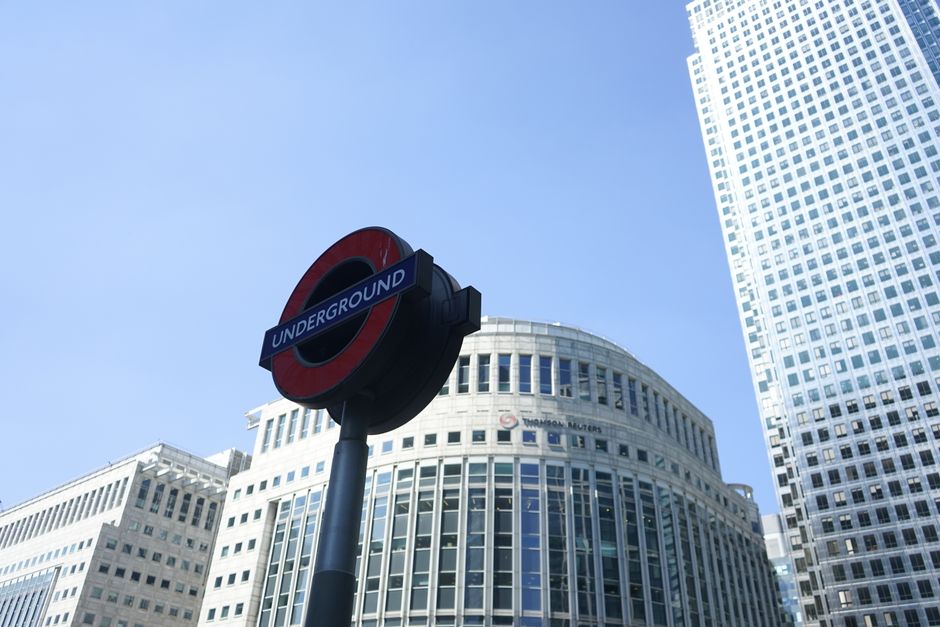
Rubbish removal near Canary Wharf Station explained
If you live, work, or manage a property near Canary Wharf Station, rubbish removal can get complicated faster than people expect. Tight access, lift bookings, loading restrictions, office schedules, flat move-outs, and the usual London traffic all have a habit of turning a simple clear-out into a bit of a headache. Rubbish removal near Canary Wharf Station explained means understanding what happens, what it costs, what can be taken away, and how to choose a service that actually fits the building and the day-to-day reality of the area.
This guide breaks everything down in plain English. You will see how collections work, which options suit different jobs, what to watch out for, and how to avoid the common mistakes that waste time and money. Truth be told, most problems are easy to prevent once you know what matters.
Table of Contents
- Why rubbish removal near Canary Wharf Station matters
- How rubbish removal near Canary Wharf Station works
- Key benefits and practical advantages
- Who this is for and when it makes sense
- Step-by-step guidance
- Expert tips for better results
- Common mistakes to avoid
- Tools, resources and recommendations
- Law, compliance, standards, or best practice
- Options, methods, or comparison table
- Case study or real-world example
- Practical checklist
- Conclusion
- Frequently asked questions
Why rubbish removal near Canary Wharf Station explained Matters
Canary Wharf is not the kind of place where waste disappears by magic. There are residential towers, offices, retail units, managed developments, basement car parks, service entrances, and lots of people trying to use the same roads and lifts at the same time. That changes the whole experience of waste collection. A house clearance in a quiet side street is one thing; a bulky office clear-out on a weekday morning near a station is another entirely.
Getting the process right matters for a few reasons. First, time. In busy parts of East London, delays snowball quickly. Second, access. You may need to work around concierge rules, loading bays, or specific collection windows. Third, compliance. Different waste types need different handling, and that includes items such as electronics, fridges, confidential paperwork, and anything classed as hazardous. No one wants a simple mistake to become a costly one.
There is also the practical side. If you are moving out of a flat, refitting an office, or clearing builder's waste after a renovation, the right removal approach keeps the site safer and the job calmer. It sounds obvious, but calm matters. Especially when you have a deadline breathing down your neck.
Expert summary: Near Canary Wharf Station, the best rubbish removal is usually the one that fits the property, the access, and the waste type-not just the one with the lowest headline price.
How rubbish removal near Canary Wharf Station explained Works
Most rubbish removal services follow a similar process, but the details make all the difference. Near Canary Wharf Station, the job usually begins with assessing what needs to go, where the waste is located, and whether there are access constraints. A good provider will want to know if the items are in a basement, on a high floor, behind security access, or in a shared loading area. That is not fussiness. It is planning.
In many cases, the collection is arranged as a same-day or scheduled pickup. The team arrives, loads the waste, separates what can be recycled, and removes it for sorting and disposal. For some jobs, you may get a simple volume-based quote. For others, especially commercial waste or mixed loads, the price may depend on labour, weight, item type, and how easy it is to remove everything safely.
If your job involves office furniture, electronics, or archive materials, it is often sensible to combine waste removal with specialist services such as office clearance or confidential shredding. That keeps the whole project organised instead of turning it into a three-step shuffle. And let's face it, nobody enjoys moving the same pile twice.
For residential moves, flat clearances and home clearances are often the better fit, especially where the job includes general clutter, furniture, and mixed household waste. If you need a broader service, flat clearance and home clearance can help simplify the process.
What usually happens on the day
- The team confirms access, parking, and collection details.
- Waste is assessed and loaded safely.
- Reusable or recyclable material is separated where possible.
- The load is removed and taken to the appropriate facility.
- Any paperwork, if needed, is completed or retained.
In practice, the smoother the pre-arrival information, the faster the collection tends to be. A small note about access can save a lot of faffing around.
Key Benefits and Practical Advantages
People usually think rubbish removal is just about making things look tidy. That is part of it, sure, but the real benefits go a bit deeper.
- Faster turnaround: You get the space back quickly instead of waiting around for bins to clear or trying to transport bulky items yourself.
- Less disruption: Professional removal reduces the strain on staff, residents, or contractors.
- Safer handling: Heavy or awkward items are moved with the right equipment and technique.
- Better sorting: Recyclable material can be separated from general waste more efficiently.
- Cleaner finish: The end result is not just empty; it is ready to use.
There is also a planning benefit that people underestimate. Once rubbish starts stacking up, it affects every other decision in the room. You stop seeing the space properly. It happens all the time in lofts, garages, storage rooms, and offices. The pile becomes the project. Not ideal.
For larger or mixed loads, specialised collections can make life simpler. If the waste is from renovation work, builders waste clearance is often the right route. If it is mostly old household items, furniture clearance or furniture disposal may be more appropriate.
Who This Is For and When It Makes Sense
Rubbish removal near Canary Wharf Station is useful for a surprisingly wide mix of people. The obvious ones are landlords, tenants moving out, office managers, and builders. But it also helps shop owners, facilities teams, homeowners, and anyone who has reached that familiar point where a spare room is no longer spare.
This service makes sense when:
- you need a one-off clearance rather than regular bin collection;
- you have bulky items too large for normal waste streams;
- you are clearing after a move, refurbishment, or end-of-tenancy;
- the waste includes mixed materials that need sorting;
- you need the job done quickly and with minimal disruption;
- you want the space left usable, not just empty.
For business premises, business waste removal is often the better fit than trying to piece together a general collection. For offices in particular, there is a real difference between an ordinary rubbish pickup and a tailored office clearance with desks, chairs, screens, and paperwork in mind.
For homeowners, the service is often used after building work, a loft tidy-up, or before a sale. A slightly chaotic Tuesday afternoon in a property can become a much calmer Wednesday if the right team clears the path. That sounds small, but it changes how the whole house feels.
Step-by-Step Guidance
If you want the process to go smoothly, the best approach is to treat it like a simple project. Not a giant one. Just enough structure to avoid surprises.
1. Sort the waste into rough groups
Start by separating general rubbish, furniture, electrical items, construction debris, garden waste, and anything that might be hazardous. You do not need to bag every last screw, but a rough sort helps the collection team plan properly.
2. Identify difficult items early
Items such as fridges, washing machines, sofas, mattresses, or awkward office equipment may need specialist handling. If the load includes a mix of appliances, you may want fridge and appliance removal or mattress and sofa disposal as part of the job.
3. Check access before you book
Ask yourself: can a team park nearby, use a lift, and move items without blocking the hallway? Canary Wharf properties often have managed access rules, and that can affect timing. A little prep makes a big difference.
4. Ask for a quote based on reality
Try to describe the job honestly. Mention the number of floors, whether there is lift access, and whether the waste is light but bulky or heavy and dense. Accurate information leads to a more reliable price. If you want to compare approaches, the pricing and quotes page is a useful place to start.
5. Book the right time slot
For offices and shared buildings, avoid the busiest times if you can. Early morning or a quieter slot can reduce friction. If you are planning ahead, book online can save a bit of back-and-forth.
6. Keep fragile or sensitive items separate
Important files, keepsakes, and personal items should be removed before the clearance team arrives. It sounds obvious, but in a messy room, obvious things get missed. Happens to all of us.
7. Confirm what happens after collection
Ask how the waste will be handled, especially if recycling or specialist disposal matters to you. If sustainability is important, look at the provider's recycling and sustainability approach before booking.
Expert Tips for Better Results
In our experience, the smoothest rubbish removal jobs are the ones where the client gives just enough detail, not too much, not too little. A few practical tips make a proper difference.
- Photograph the load: Pictures help more than a long description, especially for mixed waste.
- Measure awkward items: Stairwells and lifts can turn a simple sofa into a mini puzzle.
- Tell the team about access codes or concierge checks: Small admin issues can delay a collection more than the waste itself.
- Separate hazardous items early: Do not leave chemicals, paint, or unknown liquids mixed in with ordinary rubbish.
- Plan around the building: If you are in a managed block, ask about collection windows before booking. Saves headaches.
A slightly unusual but useful tip: if you are clearing a room with lots of loose bits, fill one box or bag with the items you definitely want to keep and move it out of the way first. It reduces mistakes. Also reduces the tiny panic of wondering whether that old charger was meant to stay. You know the feeling.
If you are clearing storage areas, check related services such as loft clearance, garage clearance, or garden clearance where relevant. Matching the service to the space gives you a cleaner result.
Common Mistakes to Avoid
Most clearance issues are preventable. The trouble is, they are easy to overlook when you are busy or stressed.
- Booking the wrong type of service: General rubbish removal is not always enough for office furniture, appliances, or hazardous waste.
- Underestimating access problems: A narrow corridor or booked lift can change the whole job.
- Not checking restricted items: Some items need separate handling, and it is better to find out before collection day.
- Leaving sorting until the last minute: It slows everything down and makes accidental disposal more likely.
- Focusing only on price: The cheapest option can become expensive if it does not match the job properly.
Another common mistake is assuming a skip is always the answer. Sometimes it is. Sometimes it really is not. For anyone weighing up a skip against a collection, what can go in a skip is a helpful reference point, but access, permits, and loading conditions matter too. Near Canary Wharf Station, a collection is often simpler than arranging a skip in the first place.
Tools, Resources and Recommendations
You do not need specialist equipment to prepare for rubbish removal, but a few basic tools make the day easier.
- Heavy-duty gloves: Good for broken boxes, sharp edges, and dusty loft contents.
- Marker pens and tape: Handy for labelling keep, recycle, and remove piles.
- Photo notes on your phone: Ideal for sharing an accurate job description.
- Trolley or sack truck: Useful if you are moving items within the building before the team arrives.
- Clear bags or boxes: Better for smaller loose items than open piles on the floor.
When choosing a provider, look beyond the headline promise. A reliable company should be able to explain insurance, safety, payment handling, and how they approach recycling. Pages such as insurance and safety, payment and security, and about us can help you understand how the business works and what standards it follows.
If you are dealing with sensitive documents, use a proper shredding route rather than hoping the paper bin is enough. And if you are unsure whether a bulky item needs special handling, ask before collection day. That one question can save a lot of stress.
Law, Compliance, Standards, or Best Practice
Waste handling in the UK should always be treated carefully. The exact legal duties depend on the waste type and who produced it, but the safe approach is consistent: use a provider that handles waste responsibly, keeps clear processes, and separates special items properly. That matters for household rubbish, but especially for commercial jobs.
For businesses, there is usually a stronger expectation around record-keeping, duty of care, and separating waste streams. Confidential paperwork, electrical items, and anything potentially hazardous should never be treated as ordinary bagged rubbish. If you are clearing an office, it is wise to combine the physical clearance with a sensible paperwork plan and a provider that understands business waste removal.
Best practice also means thinking about worker safety. Heavy furniture, broken glass, old appliances, and awkward stairs can all create avoidable risks. A responsible provider should have sensible lifting methods, suitable vehicles, and a clear approach to access planning. If you want to know more about a provider's standards, the health and safety policy page can be useful.
Hazardous waste needs extra care. Paints, chemicals, certain cleaning products, and similar materials should be identified rather than hidden in a general load. If there is any doubt, treat it as a specialist issue and ask. Better safe than sorry, honestly.
Options, Methods, or Comparison Table
There is no single best method for every job. The right choice depends on waste type, access, speed, and how much disruption you can tolerate.
| Method | Best for | Strengths | Watch-outs |
|---|---|---|---|
| Man-and-van rubbish removal | Mixed household waste, furniture, office items | Fast, flexible, usually easier in tight-access areas | May need clear information upfront for accurate pricing |
| Skip hire | Projects with ongoing waste over several days | Useful if you are generating debris gradually | May require space, permits, and loading discipline |
| Specialist clearance | Offices, flats, lofts, garages, or builder's waste | Better matched to the property and waste type | Requires a bit more planning, though usually worth it |
For many people near Canary Wharf Station, a removal service is simply more practical than a skip. Narrow streets, building management rules, and time pressure all make that decision easier. But if you are doing a longer project, compare your options carefully. The answer is rarely one-size-fits-all.
Case Study or Real-World Example
Picture a small office near Canary Wharf Station that is preparing for a refit. The team has old desks, a few broken chairs, filing cabinets, a dead fridge in the kitchen area, and several bags of mixed clutter from cupboards nobody has opened properly in years. There is also a box of paperwork that cannot just be thrown out with general waste. A classic office mess, really.
Instead of trying to handle everything separately, the manager arranges a planned clearance. The furniture is grouped together, the fridge is flagged for specialist removal, and the paperwork is isolated for shredding. Because access details are shared in advance, the collection team knows where to park and which lift to use. The job is completed in one visit, the office is left clear, and the refit can begin on schedule.
Now compare that with a rushed version of the same job. No photos. No access info. No note about the fridge or the confidential files. That collection almost certainly takes longer, costs more to sort out, and creates more friction on the day. So the lesson is fairly simple: the better the preparation, the easier the removal.
Practical Checklist
Use this quick checklist before your rubbish removal booking:
- Have I identified the main waste types?
- Are there any bulky, heavy, or awkward items?
- Do I need furniture, appliance, or office-specific removal?
- Have I checked access, parking, lifts, and collection times?
- Have I separated anything confidential or personal?
- Do I know whether any items could be hazardous?
- Have I taken photos for an accurate quote?
- Have I compared the service with alternatives such as skip hire?
- Have I checked the provider's pricing, safety, and recycling approach?
- Am I ready for the team to clear the area without delay?
If you can tick most of those off, you are in good shape. The rest is usually just logistics.
Conclusion
Rubbish removal near Canary Wharf Station explained is really about making a busy local environment work for you instead of against you. Once you understand the access issues, the waste types, the specialist options, and the value of a clear quote, the whole job gets much easier. Whether you are clearing a flat, a loft, an office, or a pile of renovation debris, the goal is the same: remove the waste cleanly, safely, and with as little disruption as possible.
The best results come from simple preparation, honest communication, and choosing a service that matches the job rather than forcing the job to fit the service. That is the difference between a stressful clear-out and a straightforward one. And to be fair, straightforward is what everyone wants at the end of a long day.
Get a free quote today and see how much you can save.
Frequently Asked Questions
What does rubbish removal near Canary Wharf Station usually include?
It usually includes collection, loading, transport, and responsible disposal or recycling of mixed waste, furniture, bulky items, and other non-hazardous rubbish. Some jobs also include specialist handling for appliances, office items, or confidential material.
Is rubbish removal better than hiring a skip near Canary Wharf Station?
Often, yes, especially if you have tight access, limited space, or a one-off clearance. A collection service avoids the need to find space for a skip and can be easier for flats, offices, and managed buildings.
How do I know what kind of clearance I need?
It depends on the waste. General household clutter may suit home or flat clearance, office furniture may suit office clearance, and renovation debris is usually better handled as builders waste clearance. If in doubt, describe the load in detail.
Can bulky furniture be removed from high floors?
Yes, in many cases it can. The key is access. Lift availability, stair width, turning space, and any building rules all matter. A few photos usually help a lot here.
What happens to the rubbish after collection?
It is typically sorted for reuse, recycling, or disposal depending on the item type and condition. A good provider will handle the waste responsibly and separate special items where needed.
Can I include a fridge or washing machine with general rubbish?
Usually not as ordinary waste. Appliances often need specialist handling, so it is better to arrange fridge and appliance removal rather than mixing them into a general load.
What should I do with confidential paperwork?
Keep it separate and use a proper shredding service. Do not leave sensitive documents in a general clearance pile, especially in an office setting.
How much notice do I need to give?
That depends on the provider and the size of the job. Some collections can be arranged quickly, while larger or more complex clearances usually benefit from a bit more notice.
Are there any items that cannot be taken away with normal rubbish removal?
Yes. Hazardous materials, certain chemicals, and some regulated items usually need separate arrangements. If something seems risky or unusual, ask before booking.
Will the service help if I only have a few items?
Yes, often it will. Smaller loads can still be worth removing professionally if the items are awkward, heavy, or difficult to dispose of yourself.
How can I keep costs down without cutting corners?
Give accurate information, sort obvious waste in advance, remove keep items first, and choose the service that matches the job. A clear brief is one of the easiest ways to avoid extra charges.
Why is Canary Wharf different from other parts of London for rubbish removal?
Because access, timing, and building management rules tend to matter more. Busy stations, shared entrances, lifts, and loading areas can all affect how smoothly a collection runs. That is the local reality, really.
If you are planning a clearance soon, it is worth taking ten calm minutes to sort the job properly before you book. That small bit of care usually pays for itself. Sometimes the simplest preparation makes the whole thing feel lighter.